



12 Unique Business Ideas to Start in 2026 (Low Investment & High Potential)
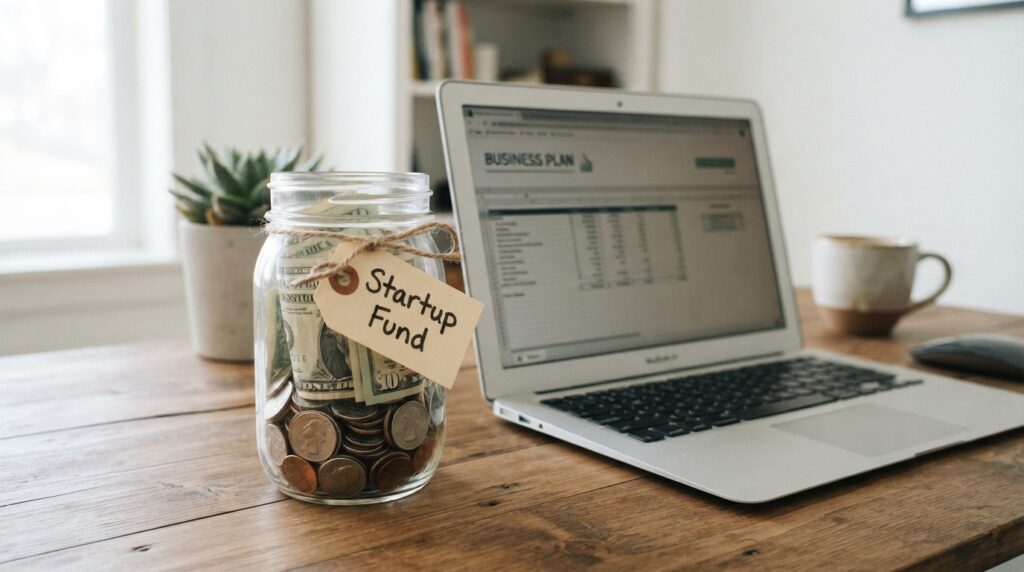
You do not need a big loan or a fancy office to start a business in 2026. Most of the ideas in this guide can start on a laptop, a phone, and a few hundred dollars. What you do need is the right idea, a clear first step, and a plan that matches your budget.
Thousands of people search for business ideas every day, but most articles just list names without telling you what anything actually costs, what tools real business owners use, or what can go wrong. This guide fixes that. We looked at what other guides on this exact topic cover, and we found the same gap over and over. They give you a list, but they never tell you the real numbers or the real risks.
Below you will find 12 unique business ideas to start in 2026, each with a realistic cost range, the tools people actually use, and an honest look at the downside. After the list, we will cover the parts most guides skip completely: how to legally register your business, how to fund it without a big loan, and the biggest mistakes new founders make.
By the end, you will have a short list of ideas that actually fit your budget, your time, and your skills.
What Makes a Business Idea Worth Starting in 2026
Before picking any idea, check it against three simple questions.
Does it solve a real problem?
People spend money to save time, save money, or solve a headache. If your idea does not do one of these three things clearly, it will be a hard sell.
Can you start it small?
The safest businesses let you test the idea with a small amount of money before you commit more. You do not need to build the whole thing on day one.
Can it grow without you doing everything by hand?
A business that only makes money when you personally do the work has a ceiling. A business that can add customers without adding the same amount of extra work has real room to grow.
Keep these three questions in mind as you go through the list below.
12 Unique Business Ideas to Start in 2026
1. AI Powered Virtual Assistant Service
Small business owners are drowning in emails, scheduling, and admin work, and many cannot afford a full time employee. A virtual assistant service, especially one that uses AI tools to work faster, fills that gap.
You can offer email management, calendar booking, customer support replies, or data entry. Real tools people use for this include Calendly for scheduling and a solid set of email tools to keep inboxes organized. If this interests you, our guide to email management tools is a good next stop.
Startup cost: Under 200 dollars, mostly software subscriptions. Downside: Income depends on your own hours until you hire help, so it can feel like a job at first, not a business.
2. Print on Demand Store
Print on demand lets you sell custom shirts, mugs, and posters without ever holding inventory. A supplier prints and ships each order after a customer buys it.
Real platforms people use are Printful, Printify, and Etsy. You design the artwork, connect it to a store, and the supplier handles the rest.
Startup cost: 50 to 300 dollars for a store setup and a few design tools. Downside: Profit margins per item are usually small, so you need steady sales volume to make real money.
3. Niche Content Website
A focused website that covers one topic deeply, not broadly, can earn money through ads, affiliate links, and digital products. This is one of the slower ideas on this list, but it can turn into a long term asset.
If you already have a website or are planning one, comparing a custom website against WordPress first will save you time later, since switching platforms after launch is a hassle.
Startup cost: 100 to 500 dollars a year for hosting and a domain name. Downside: It usually takes 6 to 12 months before search traffic becomes meaningful, so this is not a fast income idea.
4. Local SEO and Google Business Profile Service

Millions of small businesses have a messy or incomplete Google Business Profile. A local SEO service helps them show up when nearby customers search for what they sell.
You do not need fancy software to start. A laptop, a phone, and knowledge of how local search works are usually enough.
Startup cost: Under 100 dollars if you already understand SEO basics. Downside: You need real, visible results to get referrals, so the first few clients take patience to land.
5. Subscription Box Business
People like the surprise of a curated box that shows up every month. Popular categories include snacks, skincare, books, and pet treats.
The trick is picking a specific audience instead of trying to please everyone. A box for people who own senior dogs will usually beat a generic pet box.
Startup cost: 500 to 2,000 dollars to cover starting inventory and packaging. Downside: You are managing physical inventory and shipping, which is more work than a digital business.
6. Sustainable or Reusable Product Brand
More shoppers are actively looking for reusable and eco friendly alternatives to everyday items, from water bottles to cleaning products. If you can source or make something genuinely better for the environment, this audience is loyal and willing to pay a bit more.
Startup cost: 500 to 3,000 dollars, depending on whether you manufacture or resell. Downside: You need to be able to back up your claims. Vague green marketing without real proof turns customers away fast.

7. Online Coaching or Consulting
If you have real experience in something, fitness, career advice, finance, or a specific software, people will pay to learn it faster from you than by figuring it out alone.
This is one of the cheapest ideas on the list because your main tools are a video call app and your own knowledge.
Startup cost: Under 100 dollars. Downside: You are the product, so growth is limited until you package your knowledge into courses or group programs instead of one on one calls.
8. Pet Care and Pet Sitting Service
More households than ever treat pets as family, and pet owners are spending steadily on walking, sitting, and grooming. You can start with just dog walking or pet sitting in your neighborhood and grow from there.
Startup cost: Under 200 dollars for basic supplies and a listing on a pet sitting platform. Downside: This business does not scale on its own. Growth usually means hiring other sitters, which adds management work.
9. Micro SaaS Tool
A Micro SaaS is a small piece of software that solves one specific problem for one specific type of customer. Think of a scheduling tool built only for hair salons, or an invoice tool built only for freelance photographers.
Thanks to no code tools, you no longer need to be a programmer to build a basic version and test it with real users.
Startup cost: 200 to 1,500 dollars if you use no code tools instead of hiring a developer. Downside: Building the first version is only step one. You then need ongoing updates and customer support, which many first time founders underestimate.
10. Mobile Detailing or Car Care Service
A mobile car detailing business brings the service to the customer’s driveway or office parking lot instead of asking them to drive somewhere. Busy professionals like the convenience.
Startup cost: 500 to 2,000 dollars for equipment and supplies. Downside: This is physical, hands on work, so your income is tied to hours worked unless you eventually hire a team.
11. Short Form Video and Content Creation Agency
Every business now wants short videos for social media, but most do not have the time or skill to make them well. A small agency that films, edits, and posts short form content for local businesses fills a real gap.
Startup cost: Under 500 dollars if you already own a phone and basic editing software. Downside: Trends move fast, so you need to stay current with what is actually working on each platform, not what worked last year.
12. Resale and Sourcing Business
Buying items at a discount, thrift stores, clearance sales, or wholesale liquidation lots, and reselling them online through marketplaces remains one of the most accessible ways to start earning without building a brand from scratch.
Startup cost: 100 to 1,000 dollars depending on how much inventory you buy upfront. Downside: Profit depends heavily on your sourcing skill. Buying the wrong inventory ties up cash in items that do not sell.
Startup Cost Comparison Table
Here is a side by side view to help you compare quickly.
| Business Idea | Typical Startup Cost | Time to First Sale |
|---|---|---|
| AI virtual assistant service | Under 200 dollars | 1 to 4 weeks |
| Print on demand store | 50 to 300 dollars | 2 to 6 weeks |
| Niche content website | 100 to 500 dollars a year | 6 to 12 months |
| Local SEO service | Under 100 dollars | 2 to 8 weeks |
| Subscription box | 500 to 2,000 dollars | 4 to 8 weeks |
| Sustainable product brand | 500 to 3,000 dollars | 6 to 12 weeks |
| Online coaching | Under 100 dollars | 1 to 4 weeks |
| Pet care service | Under 200 dollars | 1 to 3 weeks |
| Micro SaaS tool | 200 to 1,500 dollars | 2 to 6 months |
| Mobile detailing | 500 to 2,000 dollars | 1 to 4 weeks |
| Content creation agency | Under 500 dollars | 2 to 6 weeks |
| Resale and sourcing | 100 to 1,000 dollars | 1 to 3 weeks |
This table alone tells you something most competitor guides never mention. Service based ideas almost always start faster and cheaper than product based ones, but product businesses can scale further once they find their audience.
How to Legally Set Up Your Business (The Part Most Guides Skip)
Picking an idea is only half the job. Here is what you need to know before you take your first payment.
Choose a business structure. Most small businesses start as a sole proprietorship, since it needs no paperwork, or an LLC, which protects your personal assets if something goes wrong. Forming an LLC usually costs between 35 and 500 dollars in state filing fees, depending on where you live, according to recent LLC cost data. You can read general guidance on choosing a structure through the Small Business Administration.
Check your business name before you use it. Before printing anything, search your state’s official business database to confirm your name is not already taken. Skipping this step is one of the most common and expensive mistakes new founders make.
Get an EIN if you plan to hire or open a business bank account. An Employer Identification Number is free and takes minutes to get directly from the IRS.
Check local licenses and permits. Even simple service businesses, like pet sitting or mobile detailing, sometimes need a local business license. Rules vary by city and county, so a quick call to your local clerk’s office saves you from a fine later.
How to Fund Your Business Without a Big Loan

Most people assume you need a bank loan to start a business. In reality, most founders use much simpler funding sources.
- Personal savings. The majority of new business owners fund their first months this way, since it avoids debt and interest.
- Side income from a current job. Many of the ideas on this list, coaching, content creation, virtual assistant work, can run part time alongside a full time job until they replace your income.
- Small business grants. Some local governments and organizations offer small grants for new founders, especially in underserved communities.
- Friends and family. A small, clearly documented loan from someone you trust is common for covering the first round of inventory or equipment.
Whatever you choose, avoid putting large amounts on a credit card before you have proof that customers will actually pay for your product or service.
How to Validate an Idea Before You Spend Real Money
This step gets skipped constantly, and it is the single biggest reason new businesses fail early.
Before building anything, talk to 10 real people who match your target customer. Ask what they currently do to solve the problem your business would solve. If they are not doing anything about it, and do not seem bothered by it, that is a warning sign.
Next, offer a small, simple version of your idea before the full version exists. Take a few pre orders for a product. Offer one paid coaching call before building a full course. Real payment is the strongest proof of demand there is.
Finally, watch what people actually do, not just what they say. Someone might tell you they would definitely buy your product, then never actually do it. Only real orders and real payments confirm true demand.
Mistakes New Entrepreneurs Make in 2026

- Building before validating. Spending months on a product before confirming anyone wants to pay for it.
- Ignoring the legal basics. Skipping business name checks, licenses, or an EIN, then dealing with a mess later.
- Trying to serve everyone. A business built for a specific audience almost always outperforms one trying to please everybody.
- Underpricing out of fear. New founders often charge too little, which makes the business hard to sustain even with plenty of customers.
- Ignoring the tools that save time. Many first time founders do everything manually, when the right software could save hours every week. If your business involves hiring even one person, brushing up on basic HR skills early prevents costly mistakes later.
Which of These Ideas Should You Actually Pick?
If you want speed, choose a service based idea like coaching, a virtual assistant service, or local SEO. These need almost no money and can bring in your first customer within weeks.
If you want a long term asset, choose a niche content website or a Micro SaaS tool. These take longer to earn money but can eventually run with less of your daily time involved.
If you want something physical and hands on, pet care or mobile detailing let you start earning quickly in your own neighborhood.
If you are planning to sell products online, whether print on demand, a subscription box, or a resale store, it helps to line up the right platforms early. A good stack of ecommerce tools makes running orders, inventory, and customer messages far less stressful once sales start coming in. And if customer questions start piling up, looking into AI chatbots for customer support can save hours every week.
Conclusion
You do not need a perfect idea to start a business in 2026. You need one that matches your budget, solves a real problem, and can grow without demanding every hour of your day.
Pick one idea from this list. Validate it with real people before you spend much money. Register it properly so you are protected from day one. Then take the first small step, whether that is your first client call, your first product listing, or your first blog post.
Small, steady action beats waiting for the perfect plan every single time.
FAQs
What is the cheapest business to start in 2026?
Service based ideas like online coaching, virtual assistant work, and local SEO services usually cost under 200 dollars to start, since they mainly rely on your time and skills rather than equipment or inventory.
Which business idea grows the fastest?
Micro SaaS tools and niche content websites tend to have the most room to grow, since they can serve more customers without a matching increase in your daily workload. They also take longer to become profitable.
Do I need to register an LLC before I start?
Not always. Many people start as a sole proprietorship with no paperwork, then form an LLC once the business is earning steady income and they want personal asset protection.
How much money do I really need to start a small business?
Many service based businesses can start for under 500 dollars. Product based businesses, like a subscription box or a sustainable product brand, usually need 500 to 3,000 dollars for initial inventory.
How do I know if my business idea will actually work?
Talk to real potential customers before building anything, and try to get a small paid commitment, like a pre order or a single paid session, before investing more time and money.
Can I start a business idea from this list while working a full time job?
Yes. Coaching, content creation, virtual assistant services, and print on demand stores are all commonly started part time, alongside a regular job, until they generate enough income to go full time.
