



Top 10 Uber Clone App Development Companies in 2026
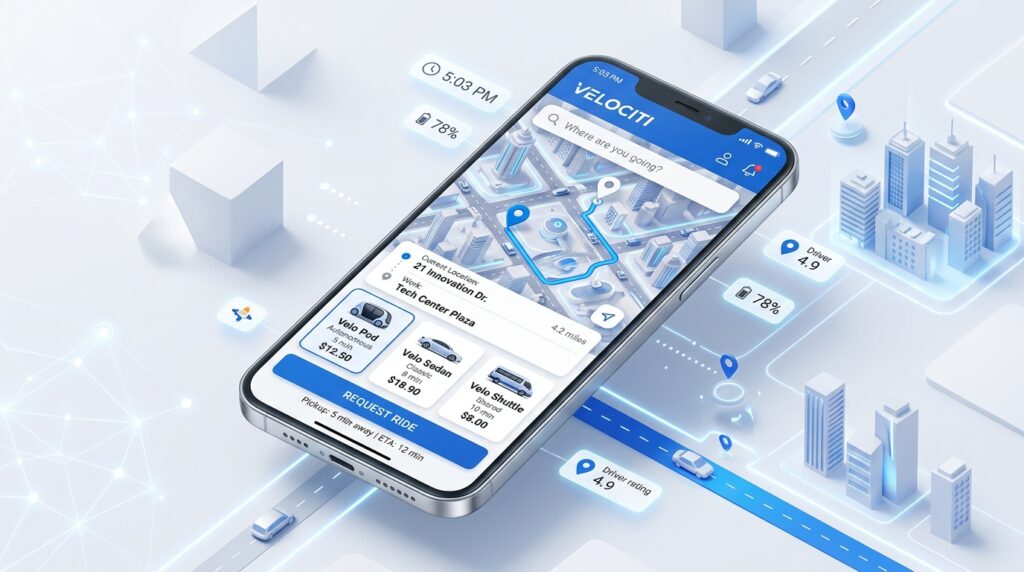
Starting a ride-hailing business sounds exciting, until you realize building an app like Uber from zero can take a year and cost a small fortune. That’s why most founders don’t build from scratch anymore. They hire a company that already has the app built and ready to customize.
This guide walks you through the top 10 Uber clone app development companies in 2026, how to tell a good one from a risky one, and everything the other guides on this topic tend to skip, like licensing, hidden costs, and code ownership.
Let’s start from the beginning.
What Is an Uber Clone App?
An Uber clone app is ready-made software that works like Uber. It already has the basic parts built:
- A rider app, where people book rides
- A driver app, where drivers accept trips
- An admin dashboard, where the business owner manages everything
- Payment processing
- Live GPS tracking
- Ratings and reviews
Instead of coding all of this from scratch, a business buys or customizes this ready-made system. Think of it like buying a house that’s already built and just painting it your colors, instead of building a house brick by brick. If you’re weighing custom development against a ready-made script more broadly, our breakdown on software and app development trade-offs covers similar build-vs-buy decisions in other tech categories.
Why This Matters: Build vs Buy
Here’s the real decision every founder faces.
Building from scratch means hiring developers, designers, and testers for 8 to 14 months. It usually costs anywhere from $80,000 to $300,000 or more, depending on features and team location.
Using an Uber clone means the core app already exists. A development company customizes the branding, tweaks features, and gets you live in weeks instead of months. Costs are typically far lower, though exact pricing depends heavily on how much customization you need.
Neither option is automatically “better.” It depends on your budget, timeline, and how unique your business idea needs to be. If your idea is genuinely different from standard ride-hailing, custom development might be worth it. If you just want to launch a taxi or delivery business quickly, a clone makes more sense.
Top 10 Uber Clone App Development Companies in 2026
Here are ten companies that repeatedly come up across the ride-hailing development industry for their clone and white-label taxi app solutions. This list is based on public information, feature sets, and how consistently each name appears across the space, not on paid placement.
A quick note before diving in: this industry has a lot of “Top 10” lists written by the companies themselves, ranking their own product first. Treat every list, including this one, as a starting point for research, not a final decision. Always request a live demo and a real quote before signing anything.
1. Elluminati Inc.
Best for: multi-service platforms and deep customization. Elluminati builds ride-hailing platforms that go beyond basic taxi booking. Their systems support surge pricing, fleet management, and admin analytics. A strong point is their multi-service capability, meaning a business can expand from ride-hailing into parcel or grocery delivery using the same platform.
2. AppDupe
Best for: businesses that want a big menu of ready-made features. AppDupe offers a wide library of clone-based solutions across many industries, including ride-hailing. Their strength is variety and flexibility. Businesses that already know exactly which features they want tend to do well here, since heavy customization is available but takes extra time and budget.
3. Apptunix
Best for: custom-built ride-hailing apps with dedicated development. Apptunix leans more toward custom development than a plug-and-play script. They build driver management tools, route planning systems, and cloud-based infrastructure tailored to the business. This suits founders who want their own workflows rather than a standard template.
4. Intelivita
Best for: premium design and enterprise-grade builds. Intelivita focuses on polish. Their apps tend to have strong UI and UX, clean code, and enterprise-level architecture. This comes with a trade-off of higher cost and longer timelines compared to fast-launch clone scripts, so it fits businesses prioritizing brand image over speed.
5. Trioangle Technologies
Best for: feature-rich apps with international launch support. Trioangle builds ride-hailing platforms with ride scheduling, fare calculation, driver ratings, and live GPS tracking. They also help businesses deploy across multiple countries, which matters if you’re planning to launch in more than one region.
6. JungleWorks (Yelo)
Best for: SaaS-based, scalable mobility platforms. JungleWorks’ Yelo platform supports ride-hailing along with broader marketplace and delivery models. It’s built with automation and analytics in mind, which helps businesses that expect to manage large numbers of drivers and users from day one.
7. OpenXcell
Best for: enterprise-level mobile app development. OpenXcell isn’t a ride-hailing-only company. They’re a broader mobile app development firm with ride-hailing experience. Businesses that want a development partner capable of handling large-scale, long-term technical support often consider OpenXcell.
8. Suffescom Solutions
Best for: white-label apps with modern tech integrations. Suffescom focuses on white-label ride-hailing apps that businesses can rebrand quickly. They also offer integrations with newer technologies like blockchain, which appeals to businesses wanting to stand out technically.
9. V3Cube
Best for: proven, battle-tested white-label platforms. V3Cube positions its Uber clone as a ready business engine rather than a demo product. It includes AI-based fare calculation, dynamic pricing, and identity verification tools. Their platform has reportedly been used across multiple markets already, which can mean fewer surprises after launch.
10. Onde
Best for: fleet management and multi-service mobility. Onde focuses on backend strength and fleet operations. Their platform includes live tracking, driver performance monitoring, and automated dispatch, making it a common pick for taxi fleets and businesses managing many vehicles at once.
Quick Comparison Table
| Company | Best For | Customization Level |
|---|---|---|
| Elluminati | Multi-service expansion | High |
| AppDupe | Wide feature variety | High |
| Apptunix | Custom-built apps | Very high |
| Intelivita | Premium design | High |
| Trioangle | Global/multi-country launch | Medium |
| JungleWorks (Yelo) | SaaS scalability | Medium |
| OpenXcell | Enterprise-grade builds | Very high |
| Suffescom | White-label with new tech | Medium |
| V3Cube | Proven, tested platform | Medium |
| Onde | Fleet management | Medium |
What Competitor Guides Miss
Most “top Uber clone company” articles stop at features and pricing. Here’s what they leave out, and it’s often the stuff that actually protects your business.
You Cannot Call Your App “Uber”
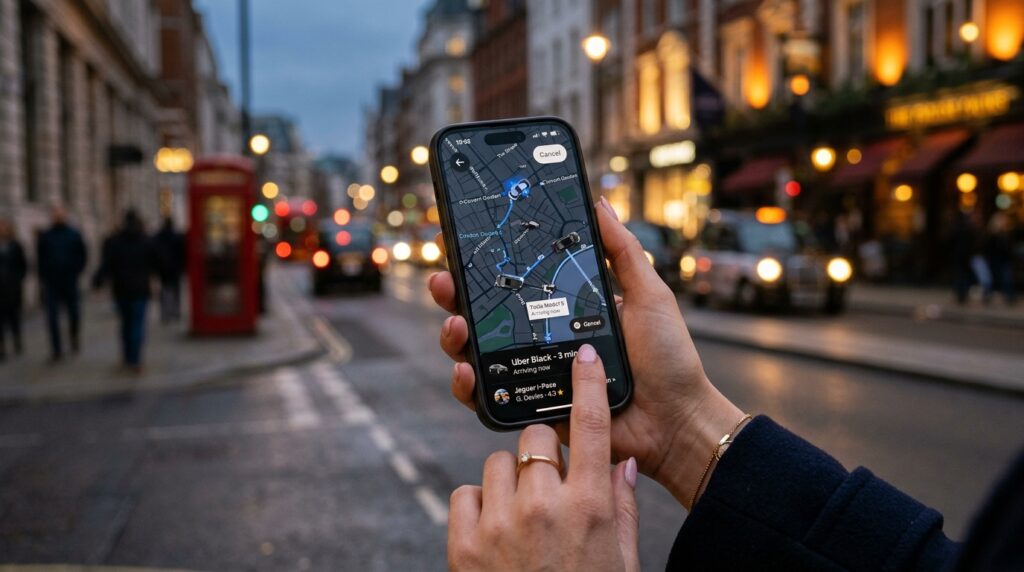
This sounds obvious, but it trips people up. Uber is a registered trademark, and Uber publishes its own trademark and brand guidelines that spell out exactly what third parties cannot do with its name and logo. You can build a ride-hailing app that works like Uber, but you cannot use Uber’s name, logo, or branding in your own product. Every “Uber clone” company builds original, independently branded software. The word “clone” refers to how the app functions, not a copy of Uber’s actual code or trademark. For a general primer on how trademark protection works, the USPTO’s trademark basics guide is a good starting point.
You Need a Real Business License, Not Just an App
An app alone doesn’t make you a legal ride-hailing operator. Most countries and cities require:
- A transportation network company (TNC) license or equivalent
- Driver background check compliance
- Vehicle insurance requirements
- Local transport authority approval (for example, the Roads and Transport Authority in Dubai, or state-level TNC rules in the US)
These rules are different in nearly every country and even every city. A development company builds your app. They usually do not handle your legal licensing, so budget time and money for this separately. If you’re also exploring how AI tooling fits into a new mobility or logistics business, our AI chatbot comparison is a useful companion read for planning your customer support stack.
Ask Who Owns the Source Code
This is one of the biggest hidden risks in the clone app industry. Some providers sell you a license to use their platform, meaning you’re renting it long-term through subscription fees. Others give you full source code ownership after purchase, meaning the app is truly yours.
Before signing anything, ask directly: “Do I own the source code outright, or am I licensing your platform?” This single question can save you from being locked into a vendor forever.
Factor in Costs Beyond the Initial Price
The clone script price is not your total cost. Also budget for:
- App store fees (Apple and Google Play both take a cut and charge developer account fees)
- Server and hosting costs, which scale as you grow
- Payment gateway transaction fees
- Ongoing maintenance and updates
- Driver onboarding and marketing to get your first users
A cheap script with a big backend hosting bill later isn’t actually cheap. Managing all of that ongoing communication with vendors, drivers, and support staff is its own operational challenge — our guide to email management tools can help you keep vendor and support conversations organized once you’re live.
Watch for Red Flags
- A provider that won’t show you a live demo before payment
- No clear answer about code ownership
- Prices that seem far below every competitor with no explanation
- No mention of post-launch support or updates
- Heavy pressure to pay in full upfront with no milestone-based payments
How to Choose the Right Company for Your Business
Ask these questions before signing any contract:
- Do I own the source code, or is this a subscription?
- How long does the actual launch take, realistically?
- What happens if I need a custom feature later?
- Do you offer both iOS and Android apps, or just one?
- What does post-launch support include, and for how long?
- Can I see real client examples or case studies?
- Is your pricing one-time, milestone-based, or recurring?
A good company answers all of these clearly and without hesitation. A vague answer to any of them is a reason to keep looking.
Actionable Tips Before You Hire
- Get at least three quotes before deciding, even if you already like one company
- Ask for a working demo, not just screenshots or a video
- Read reviews on independent platforms like Clutch or GoodFirms, not just testimonials on the company’s own website
- Confirm your target country’s ride-hailing regulations before development starts, not after
- Start with core features only, and add extras after you’ve validated the business with real users
If you’re also researching lead-generation tools to line up early drivers or B2B partners before launch, our email finder tools guide covers a related set of outreach tools worth comparing. And for a wider look at how we evaluate vendors and tech providers, our homepage has our latest coverage across tools and platforms.
FAQs
What is the average cost of an Uber clone app in 2026?
Costs vary widely based on customization, but ready-made white-label solutions generally start in the low thousands of dollars, while heavily customized builds can run into tens of thousands. Always request a direct quote since pricing depends on features, regions, and support included.
How long does it take to launch an Uber clone app?
Basic white-label versions can launch within one to three weeks. Heavily customized builds typically take four to twelve weeks or longer, depending on the scope of changes.
Is it legal to use an Uber clone app?
Yes, building and running a ride-hailing app with clone software is legal. What matters is that you cannot use Uber’s trademarked name or branding, and you still need proper local business licensing to operate legally as a transportation service.
Do I own the app after I buy an Uber clone script?
It depends on the provider. Some sell full source code ownership. Others operate on a subscription or licensing model. Always confirm this before paying.
Can an Uber clone app support both taxis and delivery services?
Yes. Many of the companies listed above, including Elluminati, JungleWorks, and Onde, support multi-service platforms that combine ride-hailing with delivery or logistics.
Which company is best for a small startup on a tight budget?
Companies offering standard white-label solutions with fast launch timelines tend to be more budget-friendly than fully custom builds. Compare at least two or three providers directly, since pricing changes often.
Final Thoughts
The top 10 Uber clone app development companies in 2026 listed here all offer solid starting points, but the right choice depends entirely on your business goals, budget, and how much customization you actually need. Don’t just pick the company at the top of a list. Ask about code ownership, get a real demo, understand your local licensing requirements, and compare total costs, not just the sticker price.
A ride-hailing business built on the right foundation, with a trustworthy development partner, gives you a much better shot at long-term success than chasing the cheapest or flashiest option on the market.
