



What Makes 99 Nights in the Forest So Replayable?
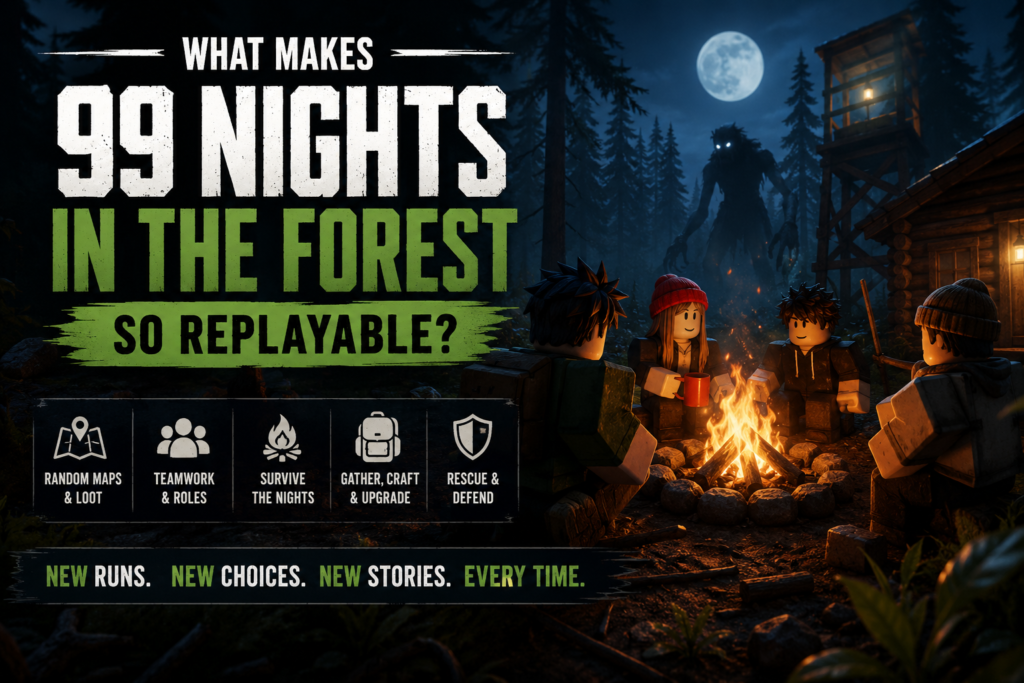
Some games are fun once. You finish them and move on.
Other games make you say, “Let us try one more time.”
99 Nights in the Forest belongs to the second group. Its main goal is simple. Build a camp, collect supplies, rescue missing children, and survive the dangerous nights. However, the journey does not happen in the same way every time.
The forest changes. Loot appears in different places. Players choose different classes. Friends make unexpected decisions. New dangers can ruin a perfect plan in seconds.
This is the main answer to What Makes 99 Nights in the Forest So Replayable? The game gives players a clear goal, but it leaves enough room for surprise, teamwork, risk, failure, and personal choice.
That design helped the game become one of Roblox’s biggest experiences. It reached a peak of about 14.2 million players at the same time during 2025.
Quick Answer
99 Nights in the Forest is replayable because every run mixes familiar goals with changing problems.
Players return because of:
• Random map layouts and item locations
• Different classes and team roles
• Limited food, fuel, tools, and healing items
• A strong day and night survival cycle
• Solo and group play that feel very different
• Badges, Diamonds, classes, and personal records
• Optional challenges such as Hard Mode
• New biomes, events, enemies, and rewards
• Funny and frightening moments with friends
• The feeling that the next run could go better
The game is easy to understand, but difficult to fully master.
What Is 99 Nights in the Forest?
99 Nights in the Forest is a survival horror experience on Roblox.
Players enter a dangerous forest and build a camp around a fire. During the day, they collect wood, food, scrap, weapons, tools, and other useful items. At night, they must stay alive while dangerous creatures move through the forest.
The group must also explore the map and rescue missing children. The official 99 Nights in the Forest Roblox page describes the idea in a very simple way: build a camp with friends while something watches from the darkness.
The rules are simple enough for a new player to understand. The hard part is making good choices while the clock keeps moving.
1. The Main Goal Is Clear
A replayable game needs a clear purpose.
Players should know what they are trying to do, even when they do not know how the full journey will unfold.
In 99 Nights in the Forest, the main goals are easy to understand:
- Keep the campfire burning.
- Find food and useful supplies.
- Explore the forest.
- Rescue the missing children.
- Protect the camp.
- Survive as long as possible.
This clear structure helps new players start quickly. They do not need to read a large manual before playing.
At the same time, the game does not tell players exactly how to complete every task. That freedom lets each group create its own plan.
One team may collect wood first. Another may search buildings. A brave player may run deep into the forest while everyone else prepares the camp.
The destination stays the same, but the path changes.

2. The Day and Night Cycle Creates Pressure
Daytime gives players a feeling of freedom.
They can chop trees, hunt animals, search buildings, collect fuel, rescue children, and improve the camp.
Night changes everything.
The forest becomes harder to see. Dangerous creatures become a bigger problem. Players who travelled too far may struggle to return. A camp with weak defences can quickly fall apart.
This creates an important question every day:
Should we stay safe, or should we take one more risk?
A player may see a useful building just before sunset. Going there could provide a weapon or fuel. It could also leave the player trapped outside at night.
These small choices create tension without needing a new story scene every few minutes.
The PC Gamer survival guide shows how actions such as feeding the fire, finding buildings, upgrading tools, planting trees, and saving healing items can decide whether a group survives later nights.
3. The Map Does Not Feel Exactly the Same
Knowing the game does not mean knowing the next map.
Important buildings, resources, loot, and dangers may not appear in the places players expect. This stops experienced players from following one perfect route in every match.
A team may find strong equipment early in one run.
In the next run, the same team may struggle to find food or fuel.
This changes the value of every item.
A weak tool may feel unimportant when the team has plenty of supplies. The same tool may save the whole group during a difficult start.
Randomness works best when it does not remove skill. 99 Nights in the Forest still rewards players who understand the map, enemies, crafting system, and camp needs. It simply asks them to use that knowledge in a changing situation.
Players are not only remembering answers. They are solving a new version of the same problem.
4. Limited Resources Make Choices Matter
Wood, food, fuel, scrap, ammunition, and healing items are useful.
They are also limited.
This means players cannot always build or carry everything they want. They must decide what the team needs most.
Should the group use wood for the fire or save it for crafting?
Should a player use a bandage now or keep it for a more dangerous night?
Should scrap be spent on camp defence or a tool that makes exploring faster?
There is rarely one perfect answer.
A good choice depends on the current map, the team, the available items, and the dangers nearby.
These choices give every run its own shape. A decision made during the first few days may cause a problem much later.
That makes players think about what went wrong and what they should change next time.
5. Classes Change the Way Players Approach a Run
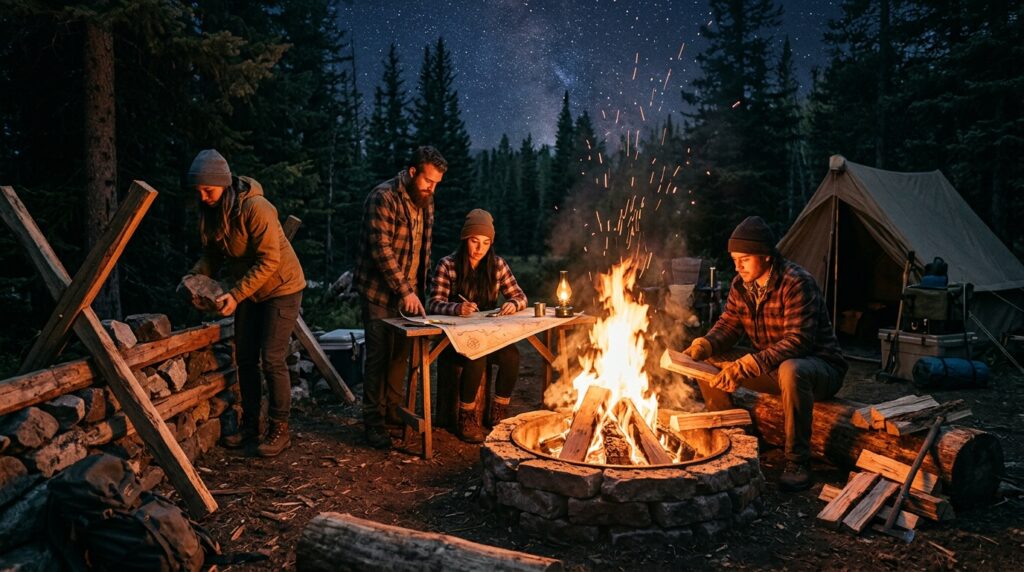
Classes are one of the strongest reasons to replay.
Different classes support different jobs. One may help with gathering. Another may improve fighting. Some are useful for food, crafting, exploration, defence, or animal control.
A class is not just a new appearance. It can change what a player does during the opening minutes and how that player supports the group.
For example, a player using a gathering class may spend more time collecting resources. A combat focused class may take greater risks while exploring. A support class may stay closer to camp and help the whole team survive.
The PC Gamer class guide also explains that some classes work better alone while others become more useful in a balanced group.
This encourages several kinds of replay:
• Trying a newly unlocked class
• Learning a class that first felt weak
• Testing unusual class groups
• Comparing solo and team performance
• Completing class goals and upgrades
• Finding a class that matches a personal play style
Players also need to think before spending Diamonds or Robux. Inverex’s guide to how platform currencies work helps explain why digital currencies can make unlocks feel more important than normal menu choices.
6. Teamwork Makes Every Match Unpredictable
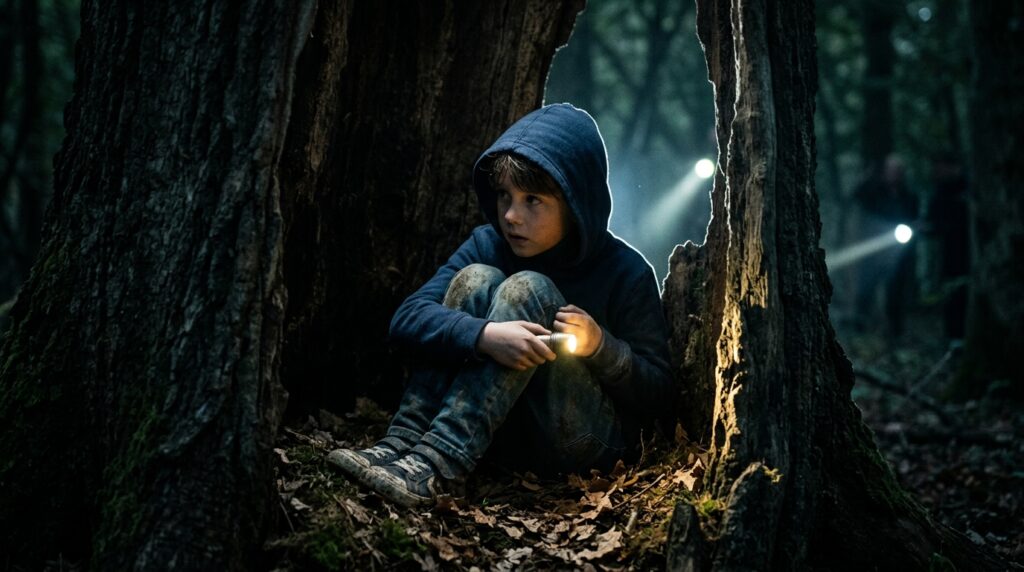
The forest may be dangerous, but other players are often the biggest source of surprise.
One friend may forget to bring fuel.
Another may use an important item too early.
Someone may get lost.
A player may run back to rescue a teammate just before night begins.
These moments are not written scenes. They happen because real people make different choices.
Even the same group can create a different story in every run. One night may feel like a serious survival mission. The next may become a funny disaster.
Good teamwork can include:
• Sharing food and healing items
• Giving each player a clear job
• Warning the group before night
• Planning rescue missions
• Protecting players who carry important supplies
• Returning to camp together
This works in a similar way to real group projects. Clear roles reduce confusion, while poor communication creates problems. Inverex’s guide to project management tools that improve teamwork explains the same basic idea in a work setting.
In the game, however, the result is much funnier when the plan fails.
7. Solo Play Feels Like a Different Game
Playing alone creates a quieter experience.
The player controls every decision. There are no arguments about resources or jobs. However, there is also nobody to help with gathering, fighting, healing, or rescue.
This makes solo play feel more careful.
A solo player may avoid risks that a full group would take. Items have greater value because one person must carry and use everything. A mistake can be harder to fix.
Group play feels more active and social. Solo play feels more like a personal survival test.
Changing between the two modes adds replay value without changing the main rules.
8. Failure Usually Teaches Something
A failed run does not always feel like wasted time.
Players often understand why they lost.
Maybe the group ignored the fire.
Maybe they used too much ammunition.
Maybe everyone explored while nobody prepared food.
Maybe the camp was too open.
Maybe the team tried to rescue a child before it was ready.
This creates a simple learning loop:
- Try a plan.
- See what happens.
- Notice the mistake.
- Change the plan.
- Try again.
That loop is powerful because progress can happen inside the player’s mind, even when the run ends.
A similar test and learn process appears in many fields. Inverex’s explanation of how artificial intelligence accelerates scientific discovery shows how repeated testing and better information can improve the next attempt.
In 99 Nights in the Forest, the experiment is the run.
9. Risk and Reward Stay Connected
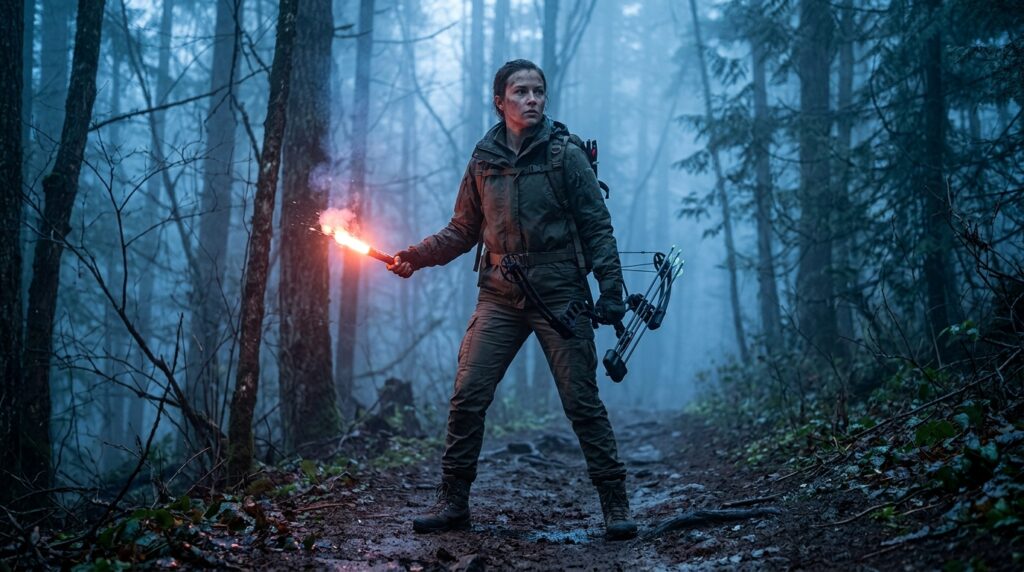
The best supplies are not always close to safety.
Players often need to leave camp, explore unknown areas, fight enemies, or travel farther to find better rewards.
This creates meaningful risk.
A strong weapon may help the group survive many nights. Reaching that weapon may place a player in serious danger.
A rescue mission may speed up progress. It may also use food, ammunition, and healing items that the group needs later.
Good survival games make players feel responsible for their choices. Losing should not always feel random. Winning should not feel automatic.
99 Nights in the Forest often creates this feeling by making valuable rewards require effort, travel, or danger.
10. The Game Gives Players More Than One Goal
Surviving 99 nights is the main challenge, but it is not the only reason to play.
Players can also focus on:
• Rescuing every child
• Surviving longer than before
• Unlocking another class
• Earning Diamonds
• Completing badges
• Testing a new base idea
• Exploring a new biome
• Learning an enemy pattern
• Helping a new player
• Creating a personal challenge
These smaller goals are important.
A player does not need to reach the final night for a session to feel useful. Finding a new area or learning a better strategy can still feel like progress.
This is a form of gamification. Points, badges, progress, and rewards give users small reasons to continue. The same idea appears in learning tools covered in Inverex’s JR Geo guide.
11. Hard Mode Gives Skilled Players a New Test
A normal run may become easier after players learn strong strategies.
Hard Mode helps solve this problem.
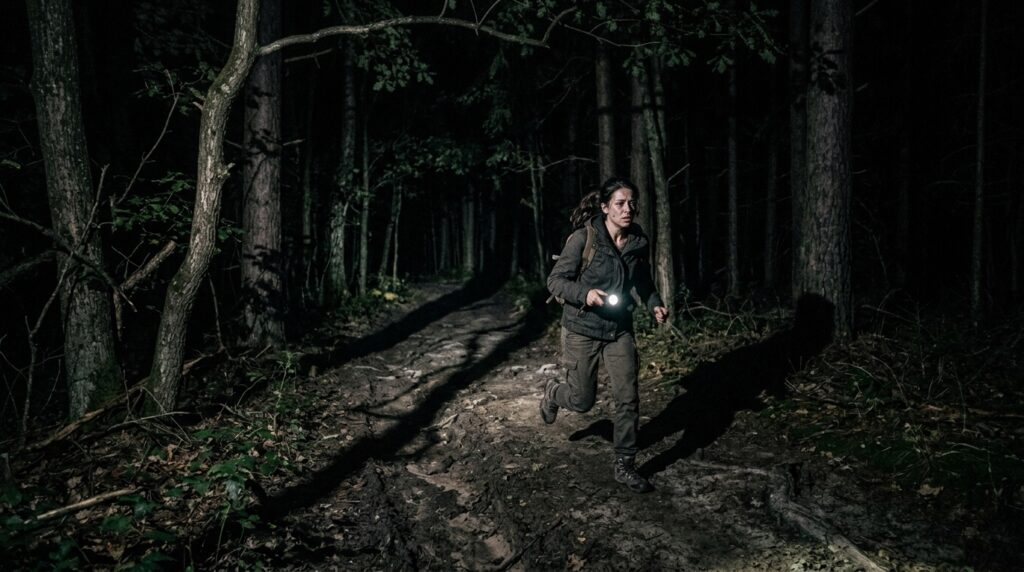
It adds greater pressure through the Research Outpost and corruption system. Players must manage new problems while still handling food, enemies, exploration, and camp safety.
The Beebom Hard Mode guide explains that players can activate the mode after reaching Day 3. Corruption then introduces extra dangers and tasks.
This gives experienced players a reason to return.
They are not only repeating the normal run. They are testing whether their knowledge still works under harder conditions.
Optional difficulty is valuable because new players can learn at a normal pace while skilled players can choose a stronger challenge.
12. Updates Add New Reasons to Enter the Forest
A replayable game needs a strong base. Updates then give players reasons to return to that base.
99 Nights in the Forest has received new modes, locations, creatures, classes, items, events, badges, and biome activities.
For example, the Bee Mini Biome update added beehives, honey gathering, rewards, and new badges during July 2026. Players could develop hives, collect Honey, and work toward event goals.
The Pocket Tactics update page is useful for checking what has recently changed.
Updates support replay value in three ways.
They bring old players back
Someone who stopped playing may return to explore a new biome or mode.
They change normal strategies
A new enemy or item may make an old plan less useful.
They give the community new goals
Players create guides, videos, class rankings, and challenge ideas around new content.
The developers have also discussed building repeatable areas that players can revisit for rewards. This shows that repeated play is part of the game’s design rather than an accident. The Roblox Creator Spotlight provides more detail about the team’s development choices.
13. The Controls Help the Game Feel Fast
Replay value is not only about maps and rewards.
Basic actions must also feel good.
Chopping, attacking, moving, collecting items, and using tools happen many times during a run. Slow or uncomfortable controls would make these repeated tasks tiring.
The developers have explained that they focused on responsive and fast gameplay. That helps actions feel immediate instead of delayed.
This detail is easy to miss, but it matters.
Players may accept a simple task when the task feels smooth. They become frustrated when the same task feels slow or unresponsive.
14. Fear Creates Strong Memories
The Deer and other threats are not frightening only because they can defeat a player.
They create uncertainty.
A player may hear a sound but not know exactly where the danger is. Darkness makes normal travel feel risky. A sudden attack can destroy a calm plan.
Fear also becomes stronger in a group.
Friends may shout warnings, run in different directions, or leave someone behind by mistake. These reactions create stories that players remember after the session ends.
A memorable failure often gives players a reason to try again.
They want to return to the same situation and handle it better.
15. Community Videos Keep the Game Visible
Many players discover strategies through videos, short clips, live streams, and social posts.
A creator may show:
• A powerful class group
• A strange base design
• A fast rescue route
• A difficult solo run
• A hidden badge
• A funny team failure
• A new update
These videos give viewers ideas for their own next run.
They also turn normal gameplay into shared entertainment. A player may return because a video revealed a challenge they had never considered.
Short visual content can make an idea easier to understand and remember. Inverex’s article about using Seedance 2.0 to create engaging video content explores why active visual scenes hold attention better than plain explanations.
16. Players Can Create Their Own Challenges
The game does not need to provide every possible goal.
Players can make their own rules.
Examples include:
• Survive without buying a class
• Use only simple weapons
• Build a very small camp
• Rescue all children as quickly as possible
• Play with one type of class
• Avoid using a favourite item
• Let each player choose a random job
• Help a new player reach a personal record
• Try to survive alone
• Enter Hard Mode early
Personal rules make familiar systems feel different.
They are especially useful for experienced players who already know the normal path.
What Many Competitors Miss: Replayability Is Not Unlimited
99 Nights in the Forest has strong replay value, but no game stays fresh forever for every person.
A player may become bored when:
• Every run uses the same class
• The team follows one fixed plan
• Players care only about reaching a very high day number
• The best strategy removes most of the danger
• Long sessions begin to feel like waiting
• New rewards stop feeling useful
• Updates do not add enough meaningful choices
Some community players have said that very long survival runs can become repetitive after the main dangers and goals are under control.
This does not mean the game has poor replay value.
It means replay value depends on change.
The player, team, challenge, or game must introduce a new problem. Without that change, even a strong survival loop can become routine.
How to Make Your Next Run Feel Fresh
Players do not always need to wait for an update.
Use these ideas to create a different experience.
Change your class
Do not always choose the safest or strongest option. Try a support, gathering, crafting, or animal focused class.
Rotate team jobs
The normal explorer can manage the camp. The normal builder can lead rescue missions.
Set one clear goal
Decide before starting whether the run is for badges, rescue speed, Hard Mode, building, exploration, or a new record.
Play with fewer people
A smaller team creates harder resource choices and gives every player more responsibility.
Try solo play
Solo play forces you to plan differently because nobody can repair your mistakes.
Build a different camp
Do not copy the same safe design every time. Test a compact camp, natural tree defence, or another layout.
Limit a useful item
Avoiding one strong weapon or tool can make normal enemies dangerous again.
Help a beginner
Teaching a new player changes your role. Their decisions can also create situations an experienced group would never face.
Stop before the run becomes tiring
A longer run is not always a better run. A shorter session with a clear goal can be more enjoyable than continuing only to increase a number.
Who Is Most Likely to Enjoy the Game?
99 Nights in the Forest is a good choice for players who enjoy:
• Survival games
• Crafting and base building
• Light horror
• Playing with friends
• Exploring changing maps
• Unlocking classes and rewards
• Improving through failure
• Setting personal challenges
• Watching a plan go wrong in a funny way
Players who only enjoy fixed stories or very short matches may not connect with it as strongly.
The game asks players to repeat basic tasks such as collecting, building, preparing, and surviving. The fun comes from how those tasks connect and what goes wrong along the way.
Conclusion
What Makes 99 Nights in the Forest So Replayable?
It is not one feature.
The game combines a clear survival goal with random maps, limited supplies, class variety, team roles, frightening enemies, optional challenges, personal progress, and regular updates.
Every run begins with familiar rules. It then creates a new problem.
A player may find better loot, choose another class, join a different group, try Hard Mode, explore a new biome, or make a smarter decision after an earlier failure.
That is why the forest can feel familiar without feeling completely predictable.
Players know what they need to do.
They return because they do not know exactly what will happen when they try.
Frequently Asked Questions
Why is 99 Nights in the Forest so popular?
The game is easy to start but difficult to master. It mixes survival, exploration, horror, crafting, teamwork, classes, and progression inside one simple goal. It is also free to access through Roblox.
Does the map change in every run?
Important locations, loot, resources, and encounters can appear differently. This means players may need to change their route and strategy instead of repeating one fixed plan.
Can you play 99 Nights in the Forest alone?
Yes. Solo play is possible, but it is usually more careful and demanding. One player must manage gathering, food, camp safety, fighting, and exploration without help.
Is 99 Nights in the Forest better with friends?
Many players find group play more entertaining because jobs can be shared. Friends also create funny mistakes, arguments, rescue attempts, and unexpected stories.
Do classes make a big difference?
Yes. Classes can change starting items, useful skills, team roles, and the best strategy for a run. Some are stronger alone, while others become more valuable in a balanced group.
What happens after surviving 99 nights?
Players can continue trying to improve their survival record, complete other goals, earn rewards, explore content, test classes, or create personal challenges.
Does Hard Mode improve replay value?
Yes. Hard Mode gives experienced players extra dangers and decisions. It makes familiar systems harder and encourages players to build new strategies.
Do updates make the game more replayable?
Yes. New biomes, events, classes, enemies, items, badges, and modes can change what players do during a run and give returning players new goals.
Can 99 Nights in the Forest become repetitive?
Yes. It can feel repetitive when players use the same class, team, base, and strategy in every run. Changing roles, goals, difficulty, or group size can make the game feel fresh again.
Is the game suitable for beginners?
The main rules are easy to understand, but new players may lose their first few runs. Starting with simple goals, staying near the camp, collecting fuel early, and learning from each failure makes the game easier.
