



Smart City Data Management: Complete Guide
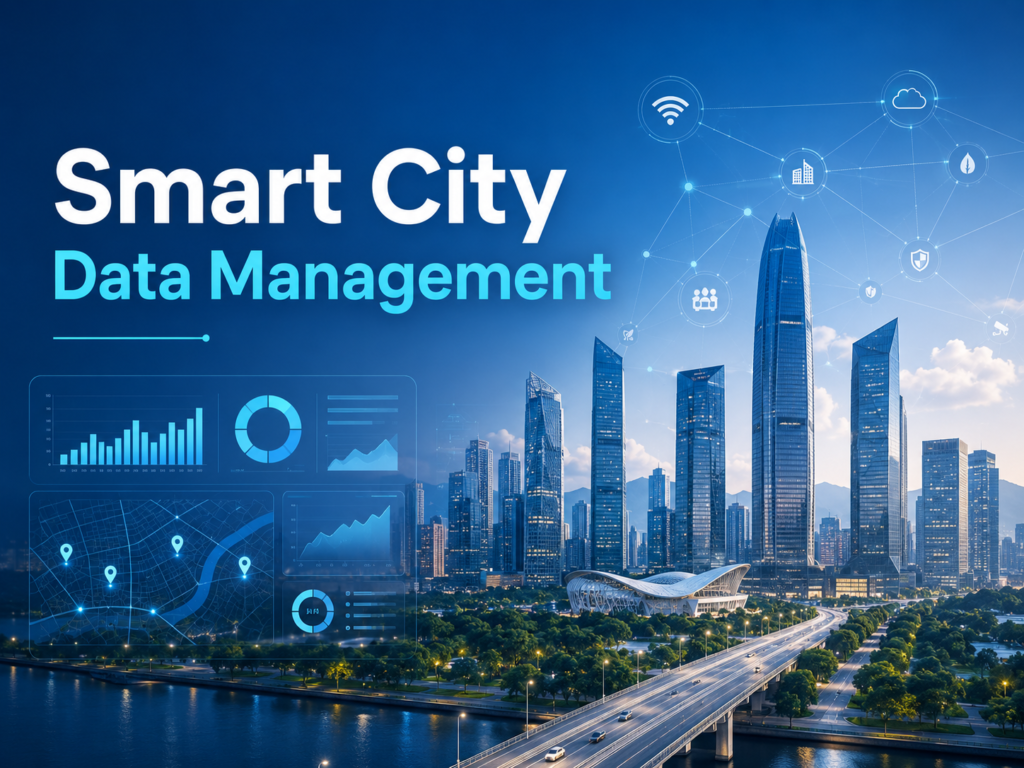
Cities are getting smarter every year. Streetlights talk to servers. Buses send live location updates. Water pipes report leaks before they burst. All of this is possible because of one thing: data.
But collecting data is easy. Using it the right way is hard. That is where smart city data management comes in.
This guide explains what smart city data management is, how it works, and why it matters. You will also learn the parts most other guides skip, like data privacy rules, real costs, tools cities actually use, and simple steps small towns can follow. Everything here is written in plain language, so you do not need a tech background to follow along.
What Is Smart City Data Management?

Smart city data management is the process of collecting, storing, cleaning, protecting, and using data from a city’s connected systems. This includes traffic cameras, water meters, weather sensors, public transport, and even mobile apps that residents use to report problems.
The goal is simple. Turn raw numbers into decisions that make city life better. That means shorter commutes, cleaner air, faster emergency response, and services that actually work when people need them.
Think of it like a city’s nervous system. Sensors are the nerve endings that feel what is happening. Data management is the brain that makes sense of it all and tells the city what to do next.
The United Nations expects close to 70 percent of the world’s population to live in cities by 2050. As more people move into urban areas, city services get pushed to their limits. Good smart city data management is what keeps those services running smoothly instead of breaking down under pressure.
Why Smart City Data Management Matters Right Now
Every city already collects data, whether it plans to or not. Traffic lights log timing. Buses report GPS location. Utility meters record usage. The problem is most of this data sits in separate systems that never talk to each other.
Without proper management, a city ends up with thousands of sensors and no clear picture. One department cannot see what another department already knows. Decisions get made on guesswork instead of facts.
With good data management, all of that information gets connected. A traffic spike near a hospital can trigger a signal change automatically. A sudden drop in water pressure can alert repair crews before pipes burst. This is the real value of smart city data management. It turns disconnected numbers into a working system.
How Does Smart City Data Management Work?

Smart city data management follows a simple cycle. It repeats constantly, day and night, across every connected system in the city.
- Collect. Sensors, cameras, meters, and apps gather raw data every second.
- Transmit. That data travels over secure networks to central servers or cloud platforms.
- Clean and store. Systems remove errors, fix duplicates, and organize the data so it makes sense.
- Analyze. Software and artificial intelligence look for patterns, problems, and opportunities.
- Act. City staff, or sometimes automated systems, respond based on what the data shows.
This cycle never really stops. A city that manages data well is always learning and adjusting, not just reacting once a month during a report review.
Key Components of a Smart City Data Management System
A working system is built from several parts. Each one plays a different role, and none of them work well alone.
Internet of Things (IoT) Sensors and Devices
IoT devices are the eyes and ears of a smart city. Cameras, traffic sensors, smart meters, and air quality monitors sit across the city collecting information nonstop. Without this layer, there is no data to manage in the first place.
Cloud and Edge Computing
Cloud computing stores and processes large amounts of city data in one place. Edge computing does something different. It processes data closer to where it is collected, like right at a traffic intersection, so decisions happen faster. Cities often use both together. Cloud handles the big picture, edge handles split second decisions.
Big Data Platforms
A city produces more data in a single day than most people generate in years. Big data platforms bring all of this scattered information into one shared space. This stops departments from working in isolated bubbles and lets teams compare information across transportation, energy, and public safety.
Artificial Intelligence and Machine Learning

AI looks at patterns humans would take months to spot. It can predict when a road will get congested, when a power grid will struggle, or when equipment is likely to break down. Machine learning gets smarter over time as it sees more real data, which means predictions improve the longer a system runs.
Geographic Information Systems (GIS)
GIS maps data onto actual locations in the city. Instead of a spreadsheet full of numbers, planners see a live map showing where problems are happening. This makes it far easier to plan new roads, spot flood risks, or coordinate emergency crews.
Dashboards and Command Centers
All of this data has to reach a human eventually. Dashboards pull information from every department into one screen, so city officials can see traffic, weather, power usage, and safety alerts side by side, in real time.
Where Does Smart City Data Come From?
City data comes from many sources, and each one adds a different piece to the puzzle.
- Transportation systems. GPS trackers, traffic cameras, and connected vehicles show how people and goods move around the city. Even ride sharing platforms feed into this picture, similar to how companies studied in Uber clone app development build mobility apps that track rides and demand in real time.
- Energy and utility grids. Smart meters track electricity, gas, and water use, helping providers spot outages and plan maintenance early.
- Environmental sensors. These track air quality, noise, temperature, and rainfall across neighborhoods.
- Public safety systems. Cameras, emergency call centers, and connected alarms feed data that helps police and fire departments respond faster.
- Healthcare and emergency services. Ambulance dispatch systems and hospital data help route patients to the nearest available care.
- Citizen apps and open data portals. Residents report potholes, broken lights, and other issues directly through mobile apps, adding real time ground level input that sensors alone cannot capture.
Data Governance and Privacy: The Part Most Guides Skip

Here is something many guides gloss over. Collecting data about people and places raises real privacy questions, and cities need clear rules before they start.
Data governance means deciding who owns the data, who can access it, how long it gets stored, and what happens if it gets misused. Without this, a smart city project can turn into a surveillance problem instead of a service improvement.
A strong data governance plan usually covers:
- Ownership. Who legally owns data collected by a private vendor’s sensors, the city or the company?
- Access control. Which departments and staff can view sensitive data, like camera footage or health records?
- Retention limits. How long is data kept before it gets deleted?
- Citizen rights. Can residents ask what data was collected about them, and can they request it be removed?
- Third party sharing. Are private companies allowed to resell or reuse city collected data?
Cities in Europe generally follow strict rules under data protection law, while rules vary more widely across the United States and Asia. Before launching any smart city project, local governments should publish a plain language privacy policy that explains exactly what is collected and why. This single step builds public trust faster than any technology upgrade.
Common Data Standards and Frameworks Cities Use
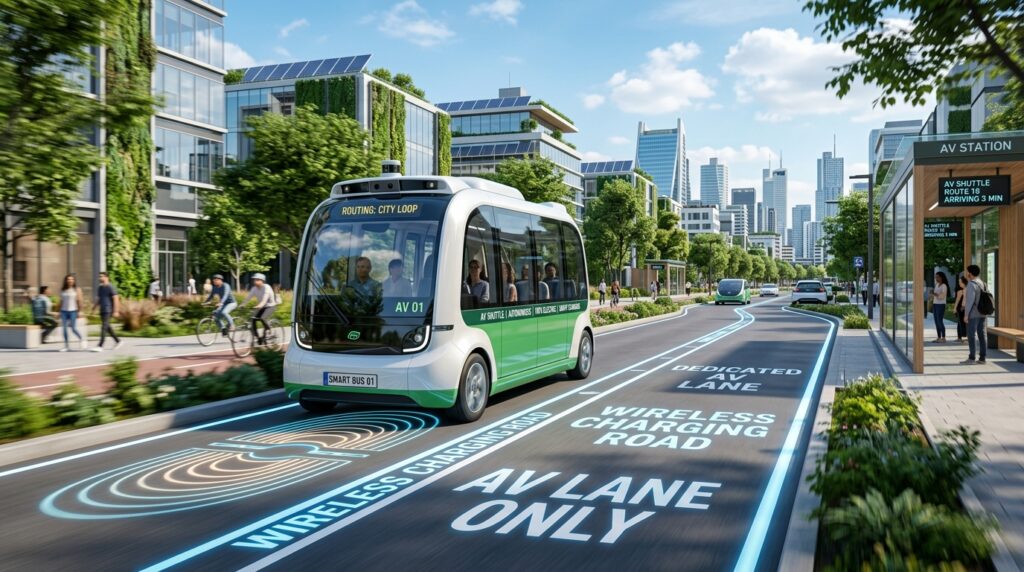
Most articles on this topic never mention the actual standards behind smart city data. This matters because standards are what let different vendors and departments work together instead of building systems that cannot talk to each other.
- NIST Smart Cities and Communities Framework. The National Institute of Standards and Technology publishes guidelines that help cities measure and plan smart infrastructure using shared performance indicators.
- ISO 37120 and related standards. These international standards define how cities should measure and report things like public safety, transportation, and environmental quality, so results can be compared fairly between cities.
- Open and Agile Smart Cities (OASC). This is a global network that promotes shared data models, so a sensor built in one city can plug into systems used by another.
- FIWARE. An open platform many European smart cities use to standardize how urban data gets shared between applications.
Choosing systems that follow these standards from the start saves a huge amount of rework later. It also makes it easier to bring in new vendors without ripping out the whole system.
Benefits of Smart City Data Management
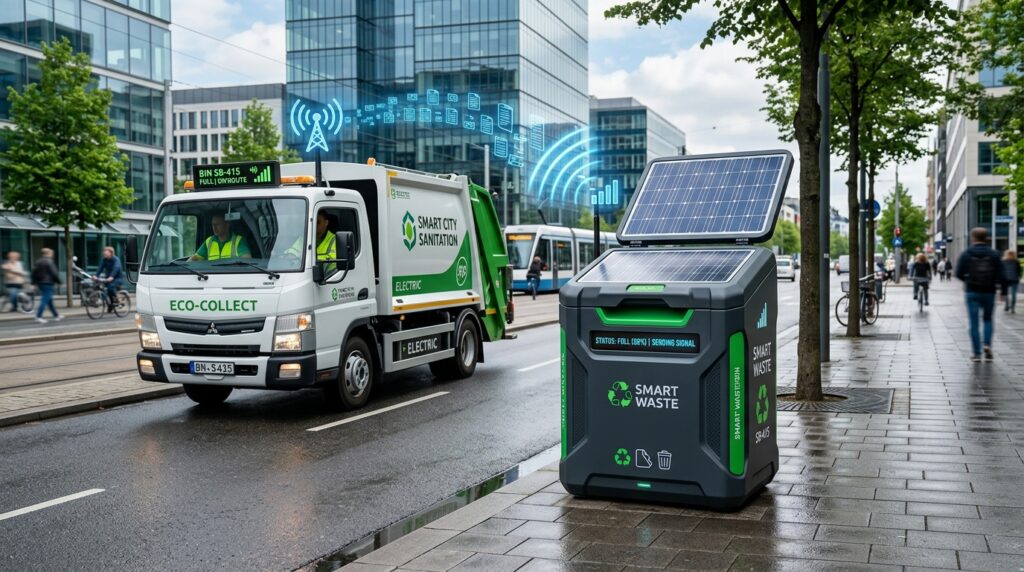
When data is managed well, the results show up in everyday life, not just in reports.
- Smoother traffic. Signals adjust automatically based on real congestion, not fixed timers.
- Lower energy waste. Smart grids reduce power loss and help balance demand during peak hours, something the International Energy Agency has highlighted as key to cleaner electricity systems worldwide.
- Faster emergency response. Connected systems help dispatchers find the fastest route to an emergency.
- Cleaner environment. Air and water quality sensors catch pollution problems early, before they become health risks.
- Better public services. Citizens can report issues and track fixes through simple apps instead of waiting on hold.
- Smarter spending. City leaders can direct budgets toward the problems the data actually shows, instead of guessing.
Common Challenges in Smart City Data Management
Every city runs into obstacles. Knowing them ahead of time makes them easier to plan around.
- Data silos. Different departments often use different systems that were never designed to share information.
- Cybersecurity risks. More connected devices means more possible entry points for hackers.
- Budget limits. Smart infrastructure costs money, and many cities have to prioritize which projects come first.
- Legacy systems. Older infrastructure was not built with data sharing in mind, so upgrades take time.
- Skill shortages. Cities often struggle to hire enough data analysts and cybersecurity staff.
- Privacy concerns. Residents may resist projects that feel like surveillance without clear rules in place.
None of these challenges are reasons to avoid smart city data management. They are simply reasons to plan carefully before rolling out new systems city wide.
Best Practices for Effective Smart City Data Management
These practices come directly from how successful cities actually operate their systems, not just theory.
- Build a governance framework first. Decide on ownership, access, and privacy rules before collecting a single byte of data.
- Standardize data formats. Use open standards so systems from different vendors can work together.
- Layer your security. Combine encryption, strong authentication, and constant monitoring rather than relying on one defense.
- Start small, then scale. Pilot a project in one district before rolling it out citywide.
- Share data across departments. Break down silos so transportation, utilities, and public safety teams see the full picture together.
- Keep improving data quality. Bad data leads to bad decisions, so clean and check data regularly instead of trusting it blindly.
- Involve residents early. Public trust grows when people understand what is being collected and why.
A Simple Step by Step Roadmap for Getting Started

Most guides jump straight to big city examples like Singapore or Dubai, which is not helpful if you manage a mid sized town with a limited budget. Here is a practical path any city can follow.
- Pick one clear problem. Traffic congestion, water leaks, or streetlight outages are common starting points.
- Choose low cost sensors. Start with a small pilot rather than a citywide rollout.
- Set up one central dashboard. Even a simple dashboard is better than scattered spreadsheets.
- Write a short data policy. Explain in plain language what is collected and how long it is kept.
- Train existing staff. You do not always need new hires. Many city workers can learn basic data tools quickly.
- Measure results after 90 days. Compare outcomes before and after the pilot to justify further investment.
- Expand gradually. Add new sensors and departments only once the first project proves its value.
Digital Twins: The Next Step in Smart City Data
A digital twin is a live virtual copy of a real city, built from ongoing sensor data. Instead of static maps, planners can test changes in the digital version first, like adding a new road or shifting bus routes, and see the likely impact before spending real money.
Cities like Singapore have used digital twin models to simulate flooding, traffic, and building projects long before construction begins. This approach saves money and avoids costly mistakes that are hard to reverse once built in the real world.
As sensor networks grow, digital twins are expected to become a standard planning tool rather than an experimental one. Combined with 5G networks and edge computing, digital twins can update in near real time, giving planners a constantly current view of the city.
Data Management Tools and Platforms Cities Actually Use
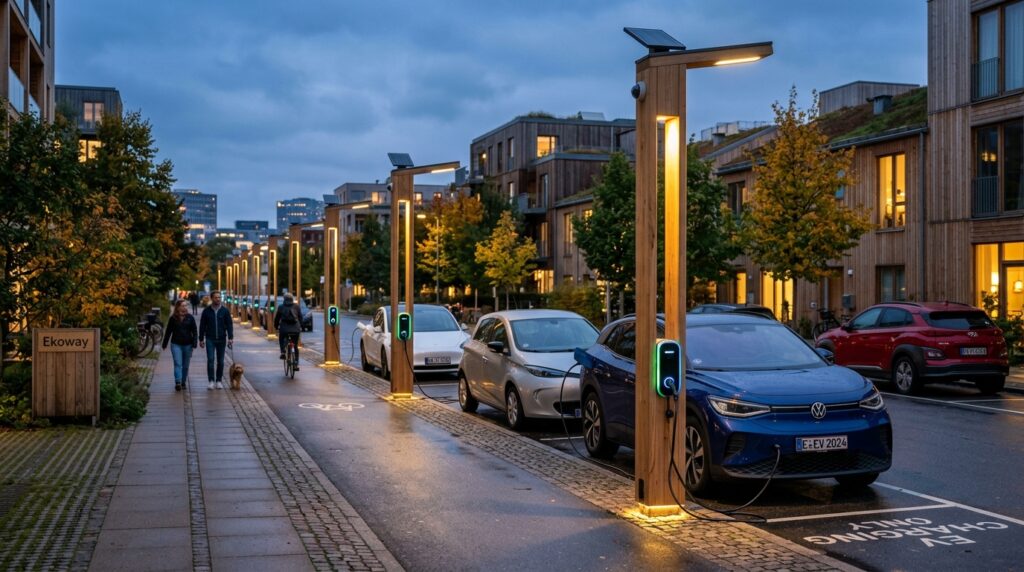
Cities do not build everything from scratch. Most rely on a mix of platforms suited to different tasks.
- Cloud platforms like AWS, Microsoft Azure, and Google Cloud handle large scale storage and processing.
- IoT platforms such as Cisco Kinetic or Siemens MindSphere manage device connections and data flow.
- GIS software like Esri ArcGIS supports mapping and spatial analysis.
- Open data portals such as Socrata let cities publish datasets publicly for transparency.
- Analytics and dashboard tools like Tableau or Power BI turn raw numbers into visuals city staff can actually use.
Smaller cities often start with a lighter combination of tools and expand only as budgets and needs grow. There is no requirement to buy every category of software on day one.
What Does Smart City Data Management Actually Cost?
This is a question most guides avoid answering, likely because it varies so much. Still, some general ranges help with planning.
- Small pilot projects, like smart streetlights or a handful of traffic sensors, often start in the tens of thousands of dollars.
- Mid sized deployments, covering a district with multiple sensor types, typically run into the hundreds of thousands.
- Full citywide systems, including data platforms, staff, and security, can reach tens of millions over several years.
The good news is that costs drop every year as sensor hardware and cloud storage get cheaper. Many cities also apply for federal or regional smart infrastructure grants to cover a large share of the upfront cost, so the full amount rarely comes from local budgets alone.
Smart Buildings and Digital Services Fit Into This Too
Smart city data management does not stop at streets and utilities. City offices themselves are shifting toward connected, data driven workplaces, similar to broader shifts happening in office transformation trends across many industries. Sensors in public buildings track energy use, occupancy, and maintenance needs, feeding the same data systems used for citywide planning.
On the citizen side, many cities now use simple AI chatbots to answer common questions about permits, bills, and public services, following the same pattern seen in tools built for AI chatbots for customer support. This cuts wait times and frees up staff for harder problems that actually need a human.
Accessibility and Inclusion in Smart City Data
Good smart city data management also has to work for everyone, including residents who are not comfortable with technology or who have disabilities. Many city services now support voice reporting and automatic transcription, similar to how audio to text conversion tools turn spoken reports into searchable text records. This lets residents call in an issue instead of filling out a form, and the system still captures it as structured data.
Cities are also experimenting with computer vision tools to read street signs, detect damaged infrastructure, and support visually impaired residents, using the same underlying technology found in everyday tools like Google Lens. Making data collection accessible from the start avoids leaving out residents who need city services the most.
Smart Utilities and Infrastructure Monitoring
Utility infrastructure like cooling systems, water treatment plants, and power stations generates constant operational data that needs the same careful management as public facing systems. Just like facility managers deal with cooling tower problems that require early detection through sensors, smart cities apply the same predictive monitoring approach across water plants, substations, and heating systems to catch failures before they cause outages.
Real World Examples of Smart City Data Management
- Barcelona connected sensors across street lighting, parking, and waste collection, reducing water usage and cutting street lighting energy costs significantly.
- Singapore built one of the most advanced digital twin systems in the world, using it for urban planning, traffic simulation, and disaster preparedness.
- Amsterdam runs one of Europe’s largest open data programs, letting residents and developers build apps on top of public city data.
- Dubai uses centralized dashboards across government departments to track everything from traffic to utility performance in real time.
These examples share one thing in common. None of them started with a massive system on day one. They built up gradually, city district by district, learning from each stage.
Actionable Tips You Can Apply Today
- Start with a single pain point residents complain about most, like traffic or waste collection.
- Publish a plain language data privacy notice before any pilot goes live.
- Choose vendors that support open standards, not closed systems that lock you in.
- Review data quality every quarter, not just once a year.
- Involve residents through surveys or town halls before major rollouts.
- Track measurable outcomes, not just the number of sensors installed.
Frequently Asked Questions
What is smart city data management in simple terms?
It is the process cities use to collect, organize, protect, and use data from sensors, apps, and public systems to make city life better and services more efficient.
Why is data management important for smart cities?
Without proper management, city data stays scattered across departments and never turns into real improvements. Good management connects the dots and turns raw numbers into faster, smarter decisions.
How does IoT support smart city data management?
IoT devices like sensors, cameras, and smart meters collect the raw data that the entire system depends on. Without IoT, there would be little real time information to manage in the first place.
What are the biggest challenges cities face?
The most common challenges are data silos between departments, cybersecurity risks, tight budgets, older infrastructure that is hard to upgrade, and a shortage of skilled data staff.
How does AI improve smart city data management?
AI spots patterns in massive datasets that humans would take far longer to notice. It helps predict traffic jams, equipment failures, and energy demand before they become serious problems.
Is smart city data safe from misuse?
It can be, but only if the city sets clear governance rules covering data ownership, access limits, and citizen rights from the very start of a project.
What does the future of smart city data management look like?
Expect wider use of digital twins, faster 5G connected sensors, stronger cybersecurity rules, and more citizen facing tools like chatbots and voice reporting systems.
Conclusion
Smart city data management is not about collecting more data. It is about using the data a city already has, and the data it plans to collect, in a way that actually helps people. The cities getting this right are not always the biggest or richest ones. They are the ones that start with a clear problem, build strong privacy rules early, and grow their systems step by step.
Whether you are a city planner, a local official, or simply someone curious about how modern cities work behind the scenes, the core idea stays the same. Good data, managed well, builds better cities for everyone who lives in them.
