



How Quickly Should You Call Someone for a Ceiling Water Leak Before Damage Spreads?
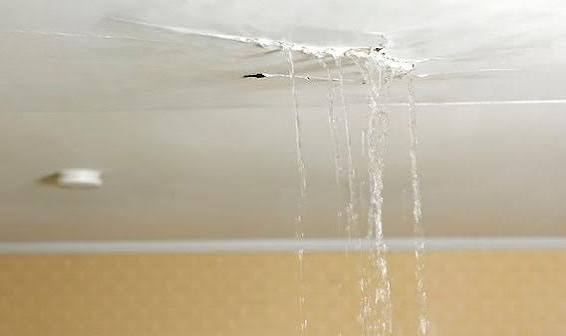
If you just spotted a wet spot on your ceiling, here’s the short answer: call a professional within 1 to 2 hours if water is actively dripping, and within 24 hours even if it’s just a stain. Waiting longer than a day gives mold a chance to start growing, and waiting more than a week can turn a $200 fix into a $2,000 repair.
Now let’s break down exactly why timing matters so much, what to do while you wait for help, and who you should actually be calling.

Why a Ceiling Leak Spreads So Fast
Water doesn’t sit still. The moment it gets into your ceiling, it follows gravity and finds the easiest path down and out.
Think of your ceiling like a sponge sitting on top of a wooden frame. Drywall soaks up water almost instantly. Within minutes, that dry, solid ceiling starts turning soft. Within hours, it can sag. Within a day or two, it can sample, crack, or even fall.
Here’s what’s happening behind that small stain you see:
- Insulation above the ceiling soaks up water like a towel and stays wet for days
- Wooden beams and joists absorb moisture and can start to warp or rot
- Electrical wires running through the ceiling can get wet, creating a shock or fire risk
- Paint and drywall bubble, peel, and weaken from the inside out
A leak that looks like a coffee-cup-sized stain today can become a hole in your ceiling within a week if the water keeps coming.
You might also like: Inverx Tech
The Real Timeline: What Happens Hour by Hour
This is the part most articles skip, and it’s the most useful thing you can know.
Within the first hour: Water spreads across drywall and starts soaking insulation. If it’s dripping, it’s already running down inside your walls too, not just the ceiling.
Within 24 hours: Drywall starts to weaken. Paint may start bubbling. If the leak is from a clean source (like a supply pipe), mold spores haven’t grown yet, but the clock has started.
Within 24 to 48 hours: This is the mold window. Mold needs moisture, warmth, and time, and 24-48 hours is usually all it needs to start growing on wet drywall, wood, and insulation. This is according to the EPA’s guidance on mold growth after water damage.
Within 3 to 5 days: Wood framing can start to swell, warp, or soften. Drywall may sag visibly. Mold, if it started, is now established and spreading.
Within 1 to 2 weeks: Structural damage becomes likely. Ceiling sections may need full replacement instead of patching. Mold remediation (a much bigger job than mold cleaning) may be needed.
This is why “I’ll deal with it this weekend” is the most expensive sentence in home repair.
How Fast Should You Actually Call? (The Simple Rule)
Here’s an easy way to think about it, like a traffic light.
Call immediately (within minutes to 1 hour)
- Water is actively dripping or pouring
- Water is near light fixtures, outlets, or wiring
- The ceiling is sagging or bulging (it could be holding a pocket of water and may collapse)
- You hear water running but can’t see where it’s coming from
- A pipe has burst
In these cases, call an emergency plumber or a 24-hour water damage restoration company. Many plumbers and restoration companies offer 24/7 emergency lines for exactly this reason.
Call within the same day (within a few hours)
- You see a fresh wet stain that’s slowly growing
- There’s a damp smell starting
- The leak seems to have slowed or stopped, but the source is unknown
Call a plumber or roofer (depending on the likely source) and a leak detection specialist if needed.
Call within 24 hours
- You see an old-looking stain (brownish, dry edges) that isn’t growing
- No active dripping, no smell, ceiling feels solid
You still need to call someone, just not at 2 a.m. A general contractor or handyman service can usually schedule a next-day visit.
The one rule that overrides everything: if water is anywhere near electrical wiring, lights, or outlets, treat it as a 🔴 emergency no matter how small it looks. Water and electricity together can cause fires or shocks, and this is one thing you should never wait on.
What to Do in the First 10 Minutes (Before Help Arrives)
This is the gap most articles completely miss. Here’s exactly what to do, in order:
- Turn off the water source if you can. If you know which pipe or appliance is leaking (like a washing machine, toilet, or bathroom above), shut off its water valve. If you’re not sure, and the leak is serious, shut off the main water valve to your house.
- Turn off electricity to that area. If water is dripping near a light fixture or close to outlets, go to your breaker panel and switch off the circuit for that room. Don’t touch light switches in a wet area.
- Move furniture and valuables out of the way. Get anything underneath the leak out of the drip zone.
- Catch the water. Place a bucket or large bowl under the drip. If the ceiling is bulging with trapped water, this next step matters a lot:
- Poke a small hole in the bulge (yes, really). If you see a ceiling bulge full of water, it’s better to poke a small hole in the center with a screwdriver and let the water drain into a bucket, in a controlled way, than to let the whole section collapse on its own. This sounds scary, but a small hole is a much easier fix than a collapsed ceiling.
- Take photos. Before you clean anything up, take clear photos and videos of the stain, the drip, and any damage. You’ll need these for insurance.
- Start drying things out. Open windows if the weather allows, turn on fans, and if you have a dehumidifier, run it. The faster things dry, the lower your mold risk.
Who Should You Actually Call? (Step-by-Step)
This is where most people get stuck. Here’s a simple way to figure it out.
Step 1: Is it an emergency? Call a 24-hour emergency plumber or restoration company
If water is actively flowing and you can’t stop it, your first call should be to an emergency plumber. If the damage is already significant (soaked carpets, sagging ceiling, multiple rooms), call a water damage restoration company instead. They can do both water removal and the drying-out process.
Step 2: Figure out where the water is coming from
- Bathroom or kitchen directly above → Likely a plumbing leak (pipe, drain, or fixture). Call a plumber.
- No room above, or it’s the top floor → Likely the roof. Call a roofer for inspection and repair.
- Near an exterior wall, especially during rain → Could be a roof leak, gutter problem, or window flashing issue. A roofer or general contractor can check this.
- From an AC unit or vent → Could be a condensation leak from your HVAC system. Call an HVAC technician.
- You genuinely have no idea → Call a leak detection specialist. These professionals use cameras, moisture meters, and sometimes infrared tools to find hidden leaks without tearing your whole ceiling apart.
Step 3: Once the leak is stopped, call for repairs

- Ceiling drywall repair: a handyman or general contractor
- Mold visible or strong musty smell: a mold remediation specialist (separate from general repair)
- Major water damage (soaked floors, multiple rooms, drywall falling): a water damage restoration company, which often works directly with insurance
Step 4: Call your insurance company
Most homeowners insurance covers sudden and accidental water damage (like a burst pipe), but usually does not cover damage from long-term neglect (like ignoring a slow leak for months). Call your insurer as soon as you’ve handled the emergency, and definitely before you start major repairs. They’ll often want their own assessment first.
How Much Does Waiting Actually Cost You?
Here’s a rough idea of how repair costs can climb based on how long you wait:
- Caught within hours: A plumber fix plus a small drywall patch. Often $150 to $500 total.
- Caught within a day or two: Same plumbing fix, but now a larger drywall section needs replacing, possibly some insulation too. $300 to $1,000.
- Left for a week or more: Mold has likely started. You’re now looking at mold remediation, larger drywall and insulation replacement, and possibly damaged flooring or belongings below. $1,000 to $4,000+.
- Left for weeks (structural damage): Wood framing replacement, major drywall work, mold remediation across multiple rooms. $4,000 to $10,000+, and in severe cases much more.
These numbers are general estimates and can vary a lot depending on where you live and the size of the damage, but the pattern is always the same: the cost roughly doubles or triples for every week you wait.
Common Mistakes People Make With Ceiling Leaks
- Ignoring a small stain because “it’s not dripping anymore.” A stain that stopped growing doesn’t mean the leak stopped. It might just mean the water found a new path you can’t see.
- Painting over the stain to hide it. This traps moisture inside and can make mold worse, since it can’t dry out.
- Trying to fix the roof yourself in bad weather. This is dangerous and often makes the leak worse if done wrong.
- Waiting for the weekend or for “a good time.” Water doesn’t wait for your schedule.
- Not checking the attic or crawl space. If you have access, a quick look with a flashlight can show you exactly where water is entering, which saves the professional time (and saves you money).
- Forgetting to document damage before cleanup. Insurance companies want photos of the damage as it happened, not after you’ve already cleaned and patched it.
How to Tell If It’s Mold Already (and What to Do)
If the leak has been there for more than 2 days, check for these signs:
- A musty, damp smell that doesn’t go away
- Black, green, or brown spots on the ceiling, especially around the edges of the stain
- Discoloration that looks fuzzy or textured, not just flat staining
If you see any of this, don’t try to scrub it off yourself, especially on a large area. Disturbing mold can release spores into the air. Call a mold remediation specialist, who will safely remove the affected materials and treat the area so it doesn’t come back.
For small spots (smaller than about 3 feet by 3 feet), the EPA says homeowners can often handle cleanup themselves with proper precautions, but anything larger should go to a professional.
Quick Decision Checklist
Use this to decide right now what to do:
- Water actively dripping or pouring → Call emergency plumber/restoration now
- Near electrical fixtures → Turn off power to that circuit, then call immediately
- Ceiling bulging with water → Carefully poke a drain hole, place bucket, call plumber now
- Stain growing but no drip → Call plumber or roofer today
- Old, dry stain not growing → Call a contractor within 24 hours
- Musty smell or visible mold spots → Call mold remediation specialist
- Damage looks major → Call restoration company and your insurer
Conclusion
A ceiling water leak is one of those problems that’s small and cheap if you act fast, and big and expensive if you don’t. The first hour matters more than people realize, not because the stain looks scary, but because that’s when water is quietly soaking into wood, insulation, and wiring where you can’t see it.
The simple version: stop the water if you safely can, protect yourself from electrical risk, take photos, and get the right professional on the phone the same day. Whether that’s a plumber, a roofer, or a restoration company depends on where the water is coming from, but the timing rule stays the same. The sooner someone qualified looks at it, the smaller and cheaper the fix.
FAQs
How long can a ceiling leak go unnoticed?
A slow leak inside a wall or above a ceiling can go unnoticed for weeks or even months before a stain becomes visible, since water often travels sideways along beams before it shows up on the surface.
Is it OK to leave a ceiling leak overnight?
If it’s a slow, non-active leak with no dripping and not near electrical fixtures, it’s usually okay to wait until morning to call someone. If it’s actively dripping or near electrical components, don’t wait.
Should I poke a hole in a water-filled ceiling bulge?
Yes. A small controlled hole lets the trapped water drain safely into a bucket. This is much easier to repair than a ceiling that collapses on its own from the weight of the water.
Will my homeowners insurance cover ceiling water damage?
Usually yes, if the leak was sudden and accidental, like a burst pipe. Damage caused by a leak you knew about and ignored for a long time is often not covered.
How do I know if it’s a plumbing leak or a roof leak?
If there’s a bathroom, kitchen, or laundry room directly above the stain, it’s likely plumbing. If the leak is on the top floor or appears worse during or after rain, it’s likely the roof.
Can a small ceiling stain mean a big problem?
Yes. A small stain can be the only visible sign of a much larger leak happening inside the wall or above the ceiling, since water often spreads sideways before it shows on the surface.
How fast does mold grow after a ceiling leak?
Mold can begin growing within 24 to 48 hours on wet drywall, wood, and insulation if the area stays damp, according to EPA guidance on mold and moisture control.
Sonnet 4.6 Low
